


Executive Summary
The investment landscape heading into 2026 is shaped by a rare combination of capital-intensive technological change, persistent fiscal expansion, and a structurally higher cost of capital. AI remains the dominant force reshaping corporate investment and productivity; however, its impact is uneven across various markets and sectors. At the same time, governments—not households—are now the primary source of leverage in the global system, altering inflation dynamics, bond market behaviour, and diversification assumptions.
In this environment, portfolio success is less about predicting a single outcome and more about positioning for a world of higher dispersion, weaker traditional hedges, and greater reliance on active allocation and risk management.
1. Macro Backdrop: A New Regime Takes Hold
Capital-Intensive Growth
The global economy is transitioning from a labour-light, software-led expansion toward a capital-heavy investment cycle. AI deployment requires significant upfront spending on data centres, energy infrastructure, semiconductors, and networks. These investments weigh on near-term margins but create powerful long-term earnings potential.
Crucially, this investment cycle does not require a dramatic acceleration in headline GDP growth to persist. Even moderate growth, supported by sustained capital spending, can underpin earnings and asset prices.

Fiscal Dominance and Interest Rates
Unlike the pre-GFC period, leverage today is concentrated in the public sector rather than households. This reduces the risk of an imminent private-sector balance-sheet crisis but increases the likelihood of:
Persistent fiscal deficits
Inflation settling above pre-COVID norms (around 3%)
Inflation remains a major risk for investors. Pressures are most visible in services inflation and housing. While the labour market has softened over recent quarters, it remains uncertain whether wage inflation could re-accelerate.
Interest rates remaining closer to neutral rather than returning to ultra-low levels
As a result, long-dated government bonds are less reliable as portfolio shock absorbers than in the past.
2. Market Implications/trend for 2026
Equities: Opportunity with Dispersion
U.S. equities remain supported by earnings growth and investment momentum. Companies in major equity indices are structurally higher quality than in past cycles, with more efficient operations, strong profitability, and solid free cash flow generation.
In the U.S., earnings and cash-flow growth are supported by a favourable policy mix - rate cuts, fiscal support, deregulation, and corporate tax relief - alongside positive operating leverage, pricing power, and AI-driven efficiency gains. Profitability remains strong, excesses are limited, and against this backdrop, valuations appear more defensible, even if the path is not without volatility.
Europe and China lack comparable tailwinds. Tepid eurozone growth, fiscal constraints, and ongoing competitiveness challenges continue to weigh on European equities, while Chinese stocks face persistent headwinds from slow reflation.
Japan stands out more positively, benefiting from reform momentum and sustained domestic equity inflows.
The outlook for emerging markets has become more constructive, supported by evolving macro dynamics, policy dispersion, and relatively attractive valuations.
We believe that, in particular, returns are likely to be disproportionate in some groups:
An expanding yet narrow group of companies and sectors continue to drive a disproportionate share of returns
Valuation discipline matters more across regions and styles
Stock selection and regional allocation become increasingly important
The dominance of U.S. markets and AI-linked businesses is unlikely to disappear in 2026, but returns may broaden selectively to small-cap, value, and beneficiaries of infrastructure, energy, and industrial investments.
Fixed Income: Rethinking the Role of Bonds
Higher structural issuance and inflation uncertainty challenge the traditional role of long-duration bonds. Long-dated sovereign bonds are facing persistent headwinds as fiscal considerations increasingly influence investor decision-making.
Sizable fiscal support in Japan, budget uncertainty in France, and ongoing concerns around the UK’s fiscal position weigh on duration, while prospective initiatives in the U.S. and Germany risk adding to supply and term-premium pressures over the coming year. Against this backdrop, U.S. 10-year Treasury yields are expected to decline into mid-year as the Federal Reserve cuts rates, before rebounding to just above 4% by year-end. Yield curves in the eurozone and the UK are also likely to steepen, though to a lesser extent than in the U.S.
While bonds still provide income and stability, portfolios benefit from:
Shorter duration exposure
Floating-rate and credit-oriented strategies
Greater emphasis on income rather than capital gains
Terminal rate pricing in the U.S. and euro area appears broadly reasonable. We see near-term Federal Reserve policy as largely priced in, but continue to forecast curve steepening.
Japan’s sustained reflation argues for a continued upward drift in Japanese Government Bond yields. We think the BoJ has the environment and incentives to raise to the median of the neutral rate, which benefits its front-end yields.
Real Assets and Alternatives
Real assets play a more strategic role in this regime. Infrastructure, commodities, and private credit benefit from sustained investment demand, fiscal spending, and the need to finance large-scale projects outside public markets.
Currencies
U.S. Dollar: Modestly constructive, but choppy
Directional positioning has turned modestly positive as price levels and trends have normalised
Near-term weakness may persist into early 2026, but shifting rate differentials and risk premia point to stabilisation and a potential rebound later in the year
Overall, the outlook remains choppy rather than directional

Euro: Constructive on fundamentals
Improved external balances and more anchored inflation expectations provide a firmer macro backdrop
Prospective ECB rate cuts limit upside momentum, suggesting gains are likely to be gradual rather than sustained
Japanese Yen: Supportive
Valuation support and reflation dynamics partially offset policy divergence
A stronger Yen is marginally beneficial for Japan’s relationship with the US. Given the poential of the BoJ hikes fater than the market anticipates, we think Japanese Yen will be resonably supported
British Pound: Neutral
Fiscal sustainability concerns continue to weigh on sentiment
Expected Bank of England easing limits relative rate support
Sterling lacks a clear catalyst for sustained outperformance
3. Key Investment Themes for 2026
1. Selective Exposure to AI-Driven Growth
AI remains transformative, but it is no longer a uniform trade. The focus shifts toward:
Enablers of AI infrastructure
Companies with pricing power and clear monetisation paths
Businesses that benefit indirectly from productivity gains
AI centre
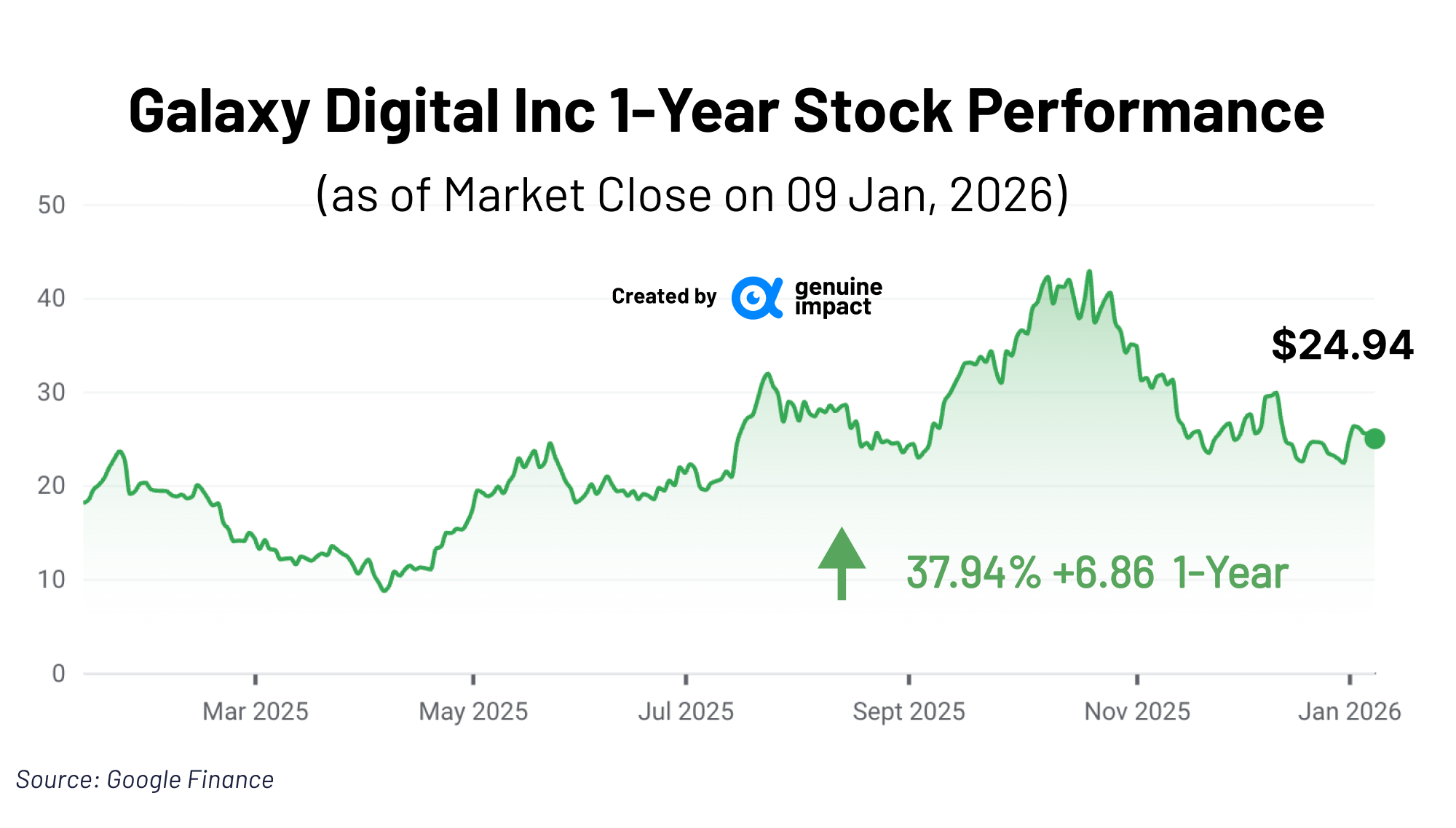
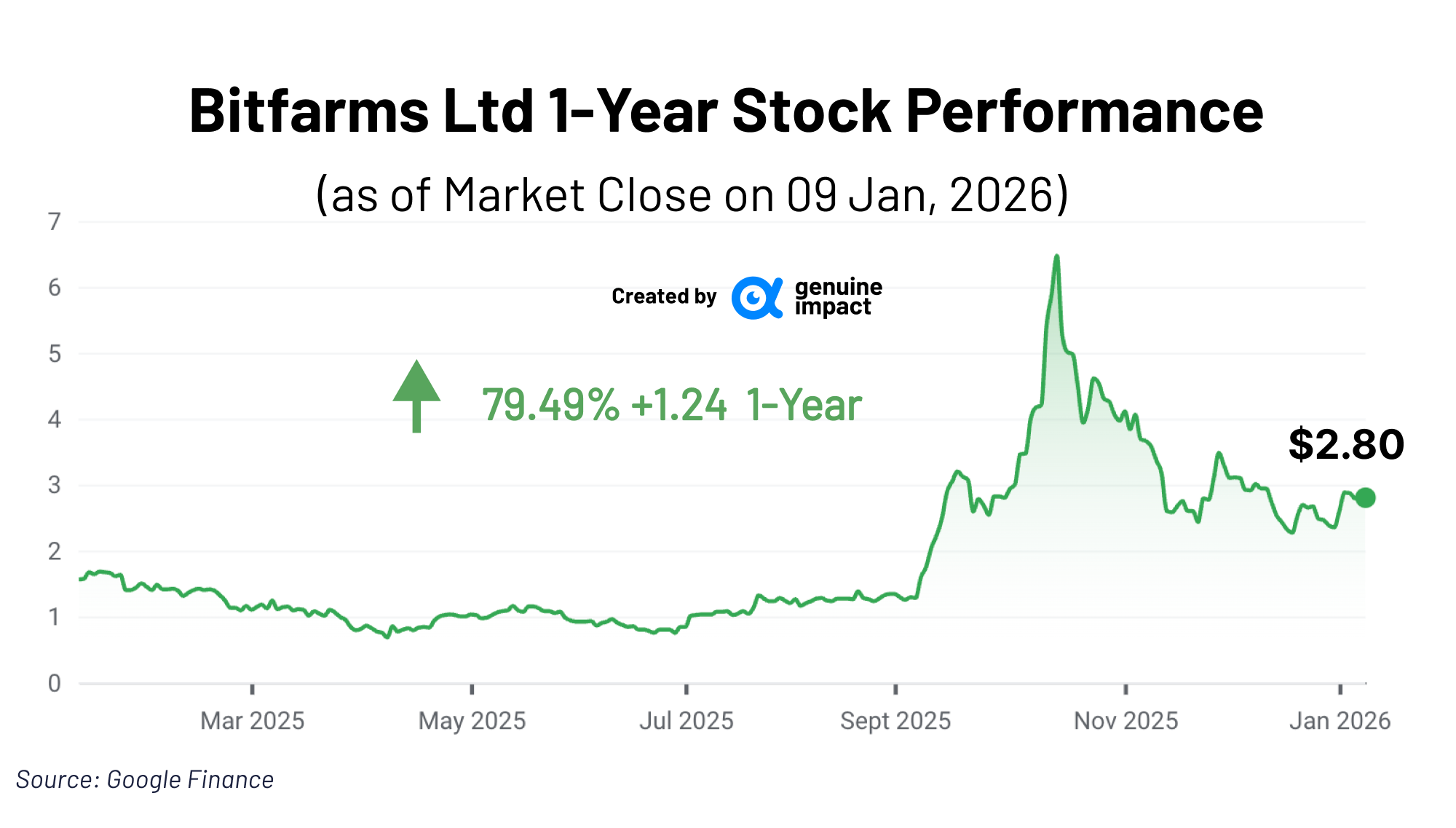
Across the current AI investment cycle, multiple bottlenecks have emerged along the value chain. Given that electricity supply, ready-to-use plants, and suitable land cannot be created overnight, data-centre capacity and energy distribution remain among the most critical constraints.
We have a preference for data-centre exposure in northern Canada, given its high-latitude climate and proximity to a reliable water supply.
Relevant names: Galaxy Digital, Bitfarms
Healthcare
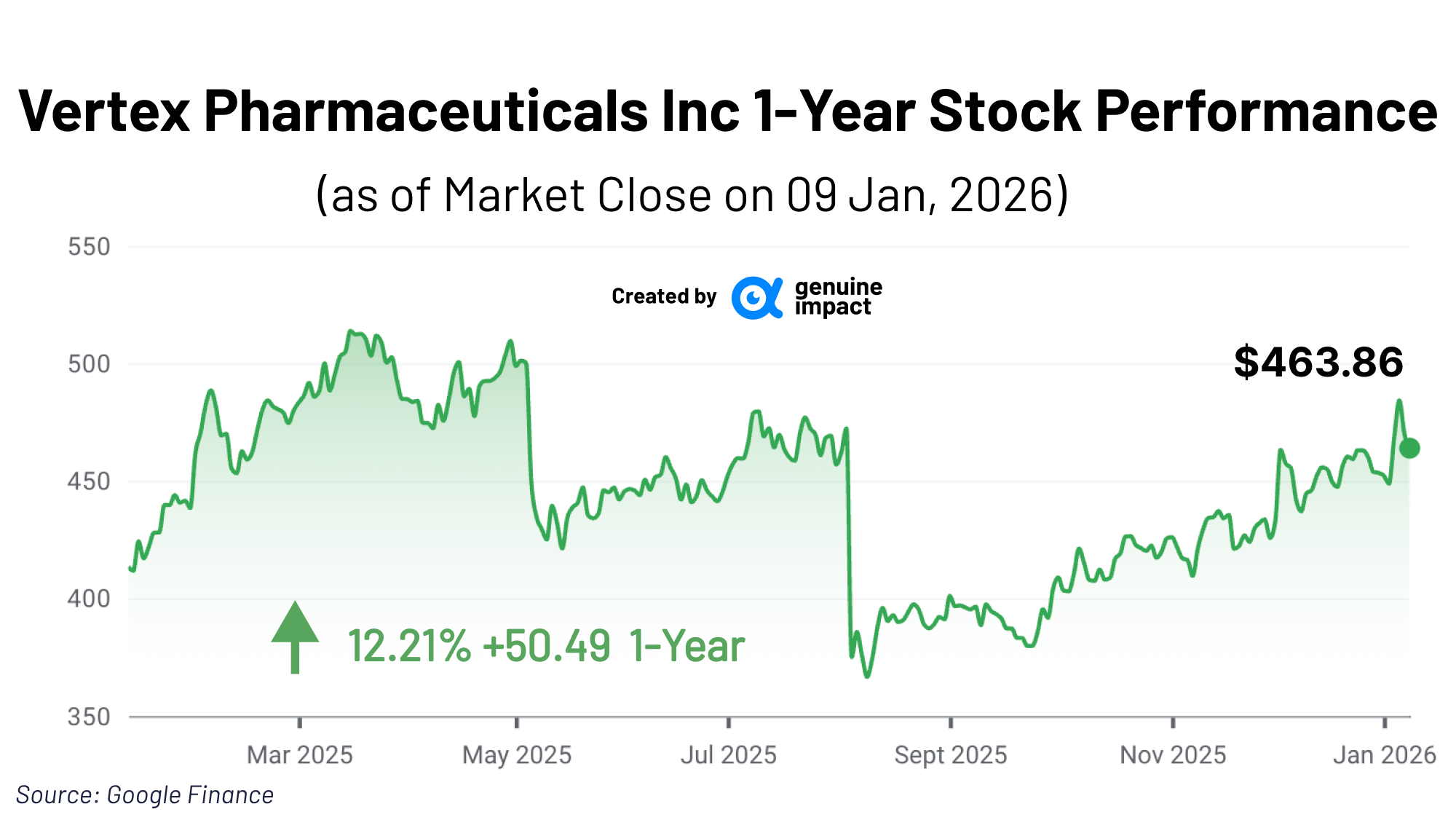
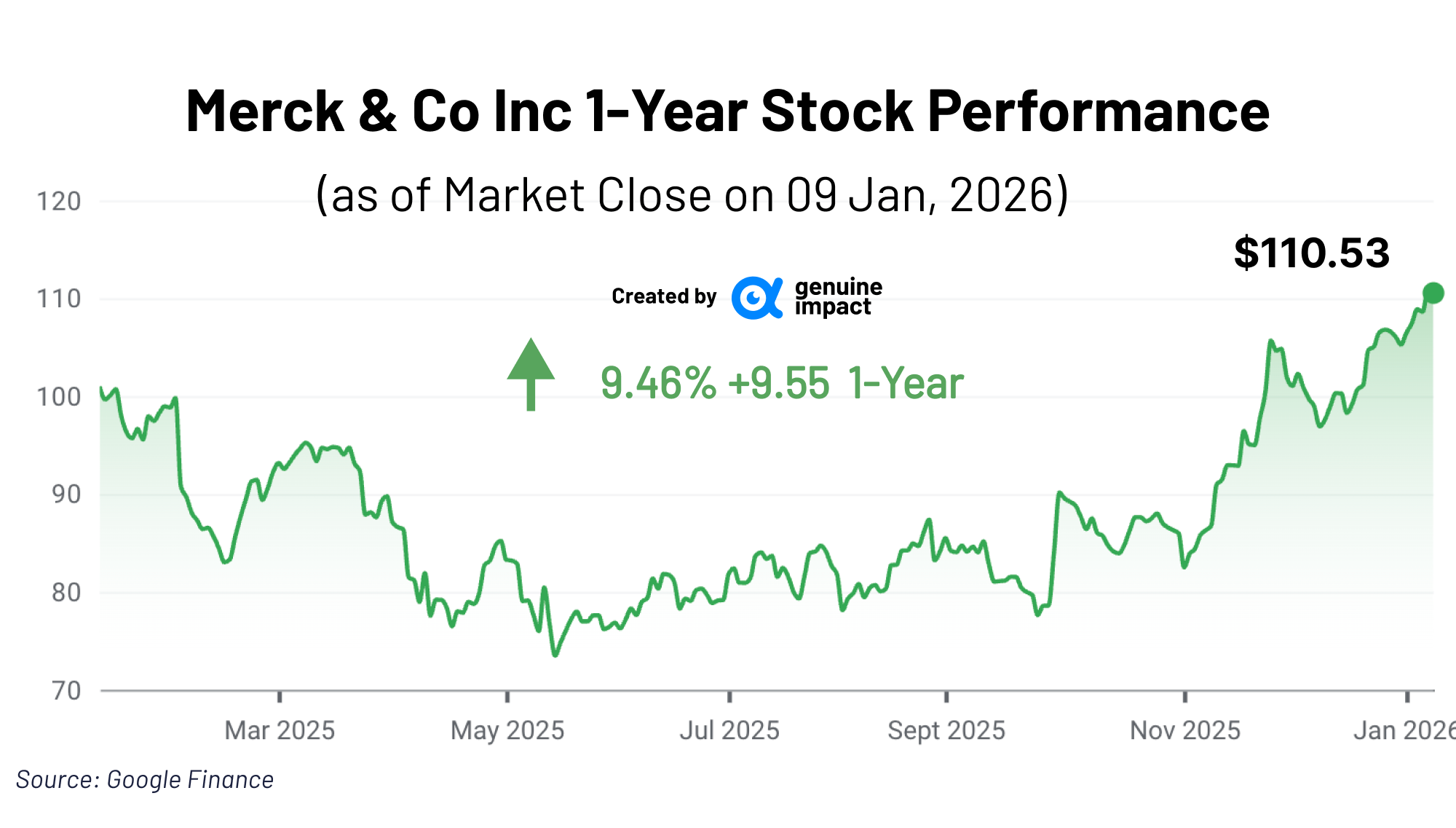
AI is the primary catalyst. As market leadership broadens from AI enablers to AI adopters, healthcare stands out as one of the largest untapped productivity beneficiaries. AI-driven efficiencies across drug discovery, diagnostics, workflow optimisation, and cost control have the potential to be transformative, creating new solutions and new companies in a sector that has been dormant for several years.
Second, fundamentals are turning. Earnings revision breadth has improved materially across the big pharma, life sciences tools, medical technology, and device sectors. Positive revisions began emerging in late Q2 and accelerated through Q3, signalling a genuine earnings inflexion rather than isolated beats.
Third, healthcare is central to an M&A recovery. As capital markets activity improves, the sector is structurally well-positioned for deal-making given asset quality, balance sheet strength, and industry fragmentation.
Relevant names: Vertex Pharmaceuticals, Merck & Co.
2. Emerging Markets and Global Value
A combination of supportive global liquidity, stabilising inflation, and attractive valuations creates a constructive backdrop for:
Emerging market equities
Commodity-linked economies
Value-oriented sectors, particularly outside the U.S.
European banks
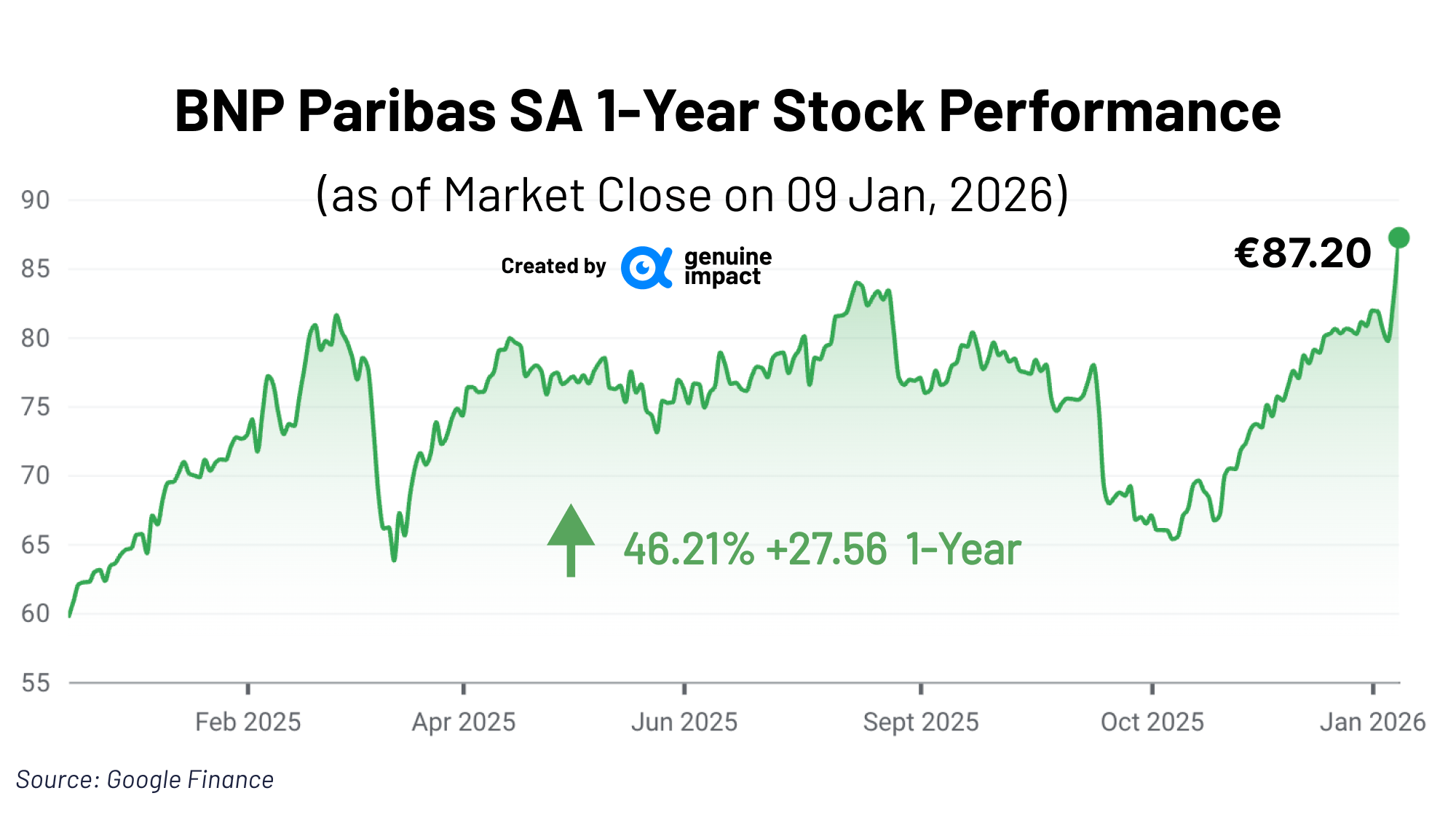
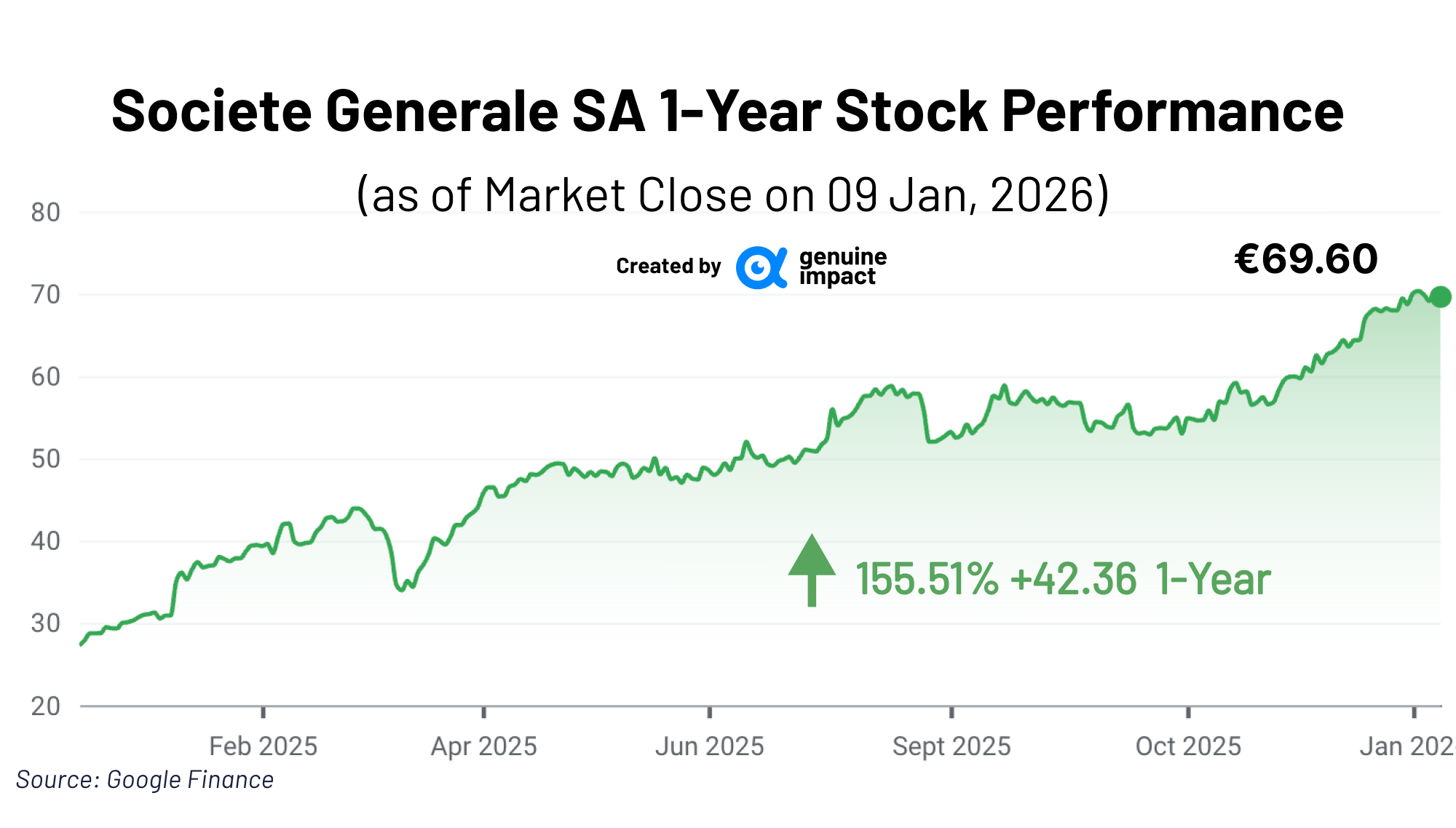
European banks are one of the clearest expressions of the global value trade. Valuations remain depressed—around ~9x earnings—despite the sector offering high-single-digit dividend and buyback yields, making it one of the cheapest sectors in Europe.
Late-cycle dynamics are supportive. Fiscal constraints across much of Europe (outside Germany) favour a steeper yield curve, to which banks have positive exposure. This backdrop has translated into the strongest and most consistent positive earnings revisions of any European sector, a key signal that fundamentals are improving faster than prices.
Factor and positioning support remain strong. Banks screen at the top of the sector and stock-selection models, driven by revisions breadth, price targets, and management sentiment. While specialists are already constructive, broader investor participation is only beginning—suggesting momentum can persist as generalists re-engage.
Names: BNP Paribas SA, Société Générale
3. Commodities and Real Economy Assets
Energy transition, infrastructure investment and AI-related demand continue to support selective opportunities across industrial commodities and real assets, reinforcing their role as both return drivers and sources of inflation resilience in this regime.
Precious metals remain well-supported into 2026, following recent highs, underpinned by steady physical demand — particularly in silver — and a more accommodative interest rate backdrop.
Within the industrial metals sector, supply constraints and electrification-driven demand favour copper and aluminium, while the oil markets appear more balanced. Brent is likely to trade in a lower, range-bound regime, with softer demand and rising supply offset by geopolitical and logistical risks.
Agricultural markets may also see selective upside, with weather disruptions and tighter financing conditions in key producing regions supporting prices for crops such as soybeans and corn.
Relavent ETFs:
iShares Broad USD High Yield Corporate Bond ETF
WisdomTree Physical Gold – GBP Daily Hedged
4. Credit over Duration
Income-generating assets with controlled interest-rate sensitivity are favoured over long-duration exposures. Credit selection and structure matter more than broad beta.
In the US, persistently large fiscal deficits raise concerns about debt sustainability and can undermine demand for long-term assets, potentially lifting the long end via a higher term premium.
Credit fundamentals remain broadly supportive, with robust earnings, healthy balance sheets and stable operating cash flows. While spreads in both the U.S. and Europe are historically tight and valuations are rich, conditions do not yet point to a late-cycle environment. Instead, the backdrop remains consistent with a mid-cycle phase, characterised by increasing dispersion across sectors — particularly Autos, Energy and Healthcare — reinforcing the case for selective, security-level exposure rather than broad credit beta.
High-yield credit faces fewer technical headwinds than investment-grade. AI-related capital expenditure is expected to remain a long-term structural trend, with significant spending still ahead — estimated at nearly $3 trillion over the coming years. While roughly half of this investment can be funded through hyperscalers’ operating cash flows, the remaining ~$1.5 trillion financing gap is likely to be met through credit markets.
This is expected to translate into elevated investment-grade issuance — around $1 trillion in net supply, up roughly 60% from the prior year — creating meaningful technical pressure despite broadly sound fundamentals. In contrast, high-yield bonds are less exposed to this supply dynamic, while default expectations are trending lower over the next 12 months, supporting a relatively more constructive outlook compared to investment-grade bonds.
Relavent ETF: iShares Global High Yield Corporate Bond UCITS ETF
5. Geopolitics and Defence
Geopolitics in 2026 is expected to remain shaped by deglobalisation, a theme we continue to monitor closely.
Following the Maduro custody incident, attention has shifted to Greenland as a new geopolitical flashpoint. Despite European backing for Denmark, Trump has stated that the use of force cannot be ruled out, reflecting Greenland’s strategic importance, particularly its estimated 380 billion tonnes of rare earth resources.
More broadly, the US–NATO relationship is evolving, increasing the risk of internal frictions. This continues to underpin the investment case for European defence from both a strategic and funding perspective.
Oil markets were again in focus around Venezuela, but US control over oil operations helped contain price volatility. In contrast, precious metals rallied sharply, reinforcing that commodities - especially geopolitical hedges - remain highly sensitive to escalation risk.
AI is another theme exposed to geopolitics. Data centres favour cold climates and access to water, making certain geographies strategically valuable. Rising tensions could disrupt the data-centre build-out through instability or direct state intervention.
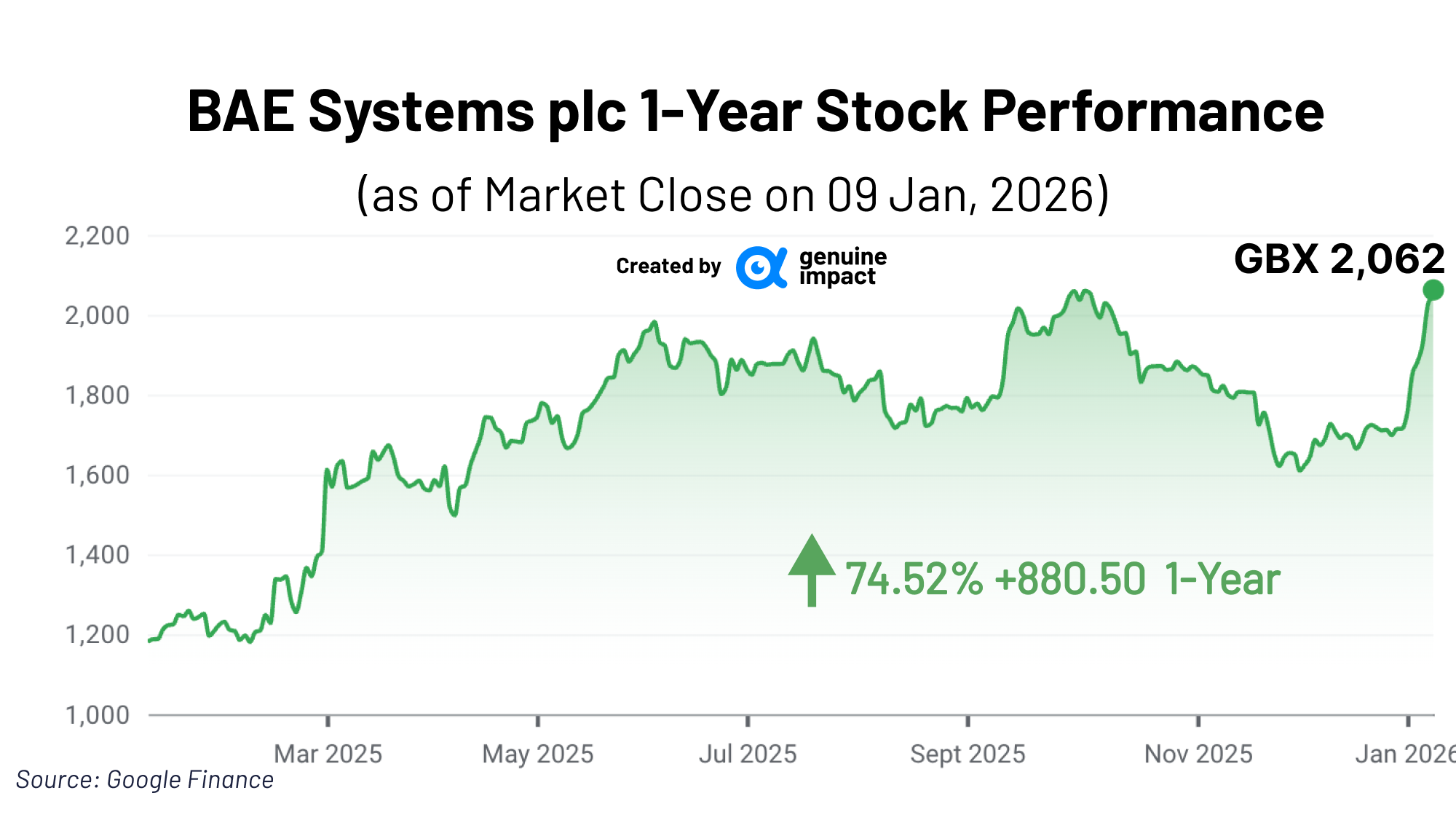
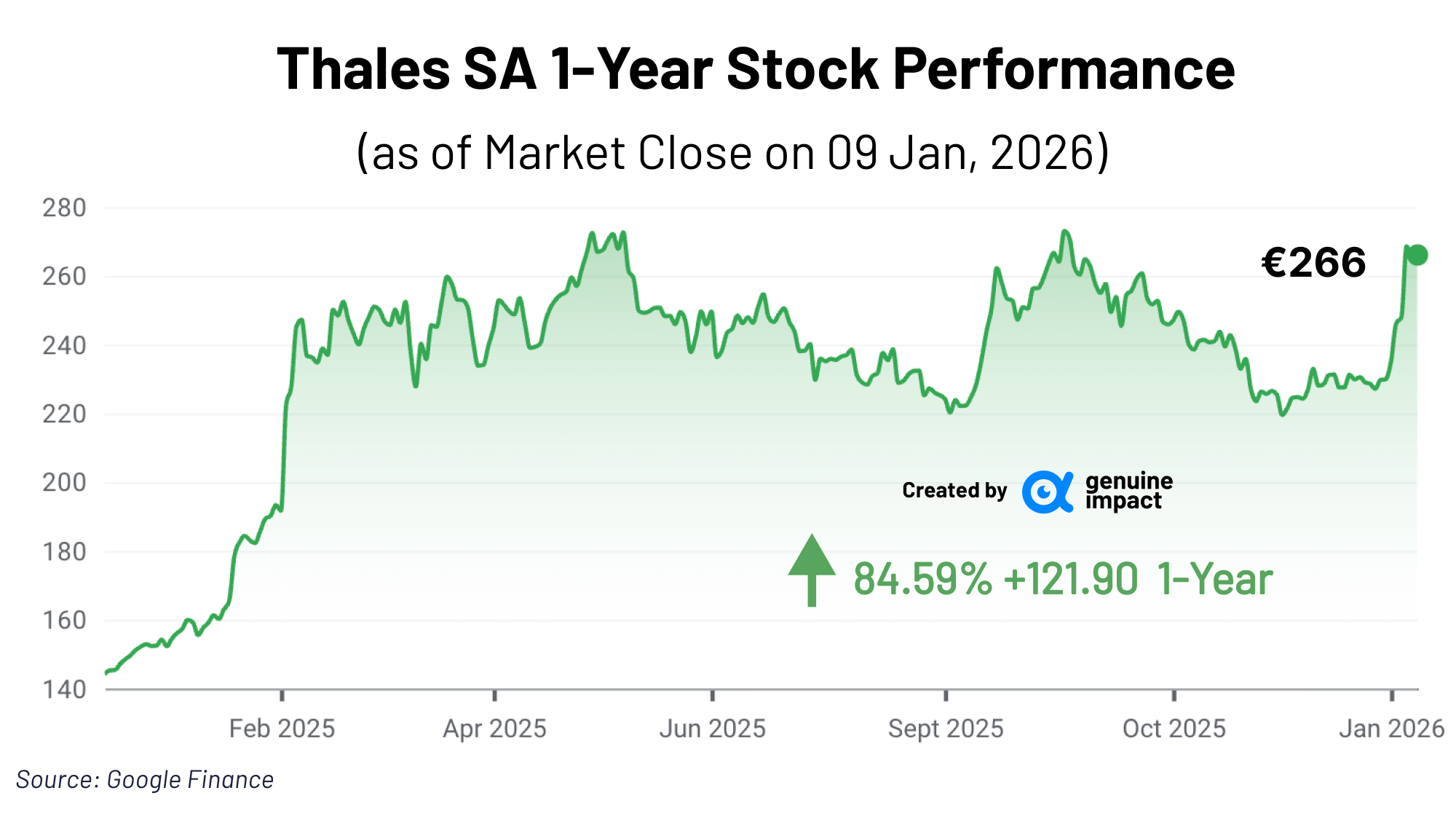
On European defence, we remain constructive. Execution is improving, and demand is increasingly reflected in corporate upgrades. We are overweight the sector, though with defence still under 2% of European equity indices, index-level impact is likely to be gradual rather than immediate.
Relevant companies: BAE Systems, Thales
4. Risks and Portfolio Resilience
While the base case remains constructive, portfolios should be resilient to a range of outcomes:
A sharper-than-expected slowdown in AI investment
Policy or geopolitical shocks
Episodes of financial-system stress or market dislocation
In this context, diversification should be intentional rather than assumed, incorporating alternative sources of return and selective defensive assets rather than relying solely on government bonds.
5. Portfolio Positioning: A balanced approach to 2026 emphasises:
To recap and reflect our views, the following are the portfolio positionings we would suggest to our investors:
Equity: get selective
Data centres, particularly companies with ready-to-pivot assets
Healthcare
Consumers
U.S. banks and European banks
Fixed Income
Maintain exposure at the shorter end of the curve - up to five years remains attractive
Reduced reliance on long-duration bonds, with increased exposure to credit, particularly high yield
Active risk management and disciplined rebalancing
Parts of these views are already reflected in recent model portfolio actions.
Rather than betting on a single narrative, successful portfolios are designed to participate in upside opportunities while remaining robust across a wide range of economic and market conditions.
Parts of these views are exactly what have been reflected in our latest actions in the model portfolio ⬇️
